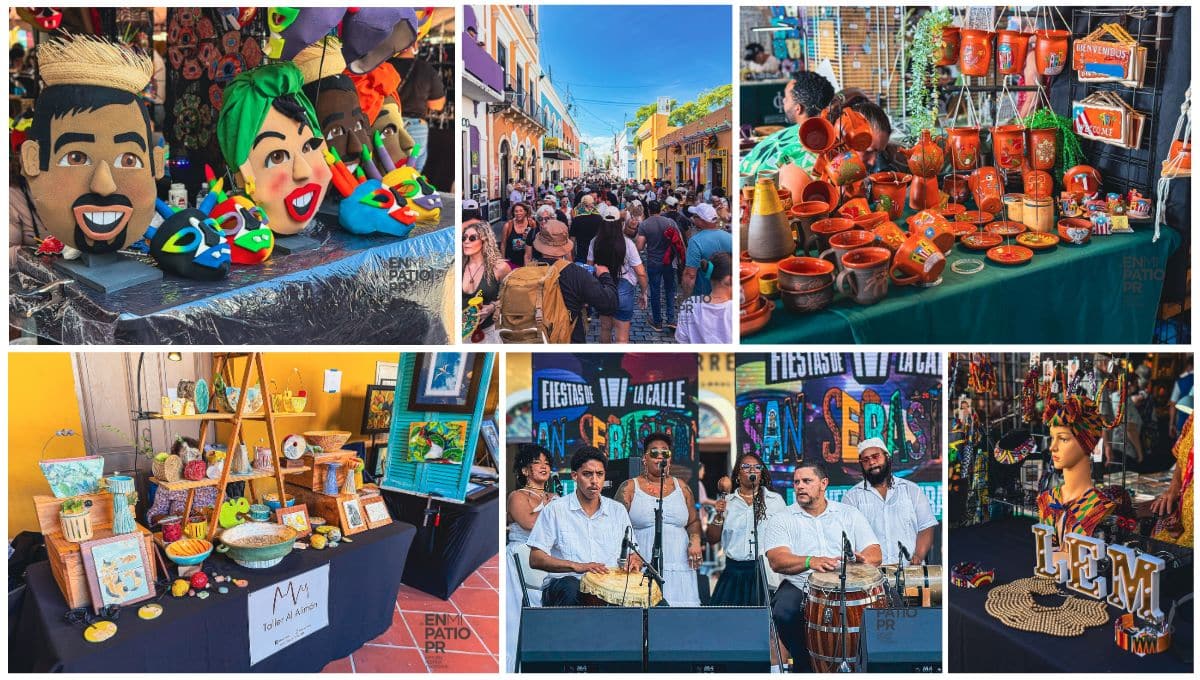
Some festivals are built around music. Others around food. A few rare ones manage to celebrate land, labor, and identity all at once. Puerto Rico’s pineapple festival belongs to that last group. What may look like a joyful weekend of flavors and entertainment is, in reality, a deeper story about agriculture, community pride, and the island’s relationship with its soil.
This celebration has grown into a national cultural moment, reminding residents and visitors alike that Puerto Rico’s agricultural roots are not in the past—they are alive, evolving, and worth celebrating.
Why Pineapple Holds a Special Place in Puerto Rico’s Agricultural History
Puerto Rico’s tropical climate, fertile soil, and generations of farming knowledge have made pineapple one of the island’s most emblematic crops. Towns like Barceloneta, often referred to as the Pineapple Capital, as well as communities such as Florida and La Parguera, have built strong agricultural identities around this fruit.
Pineapple farming represents more than production. It reflects resilience, innovation, and the ability of local farmers to adapt to changing economic and environmental conditions while preserving quality and tradition.
How the Pineapple Festival Evolved from a Local Fair to a National Celebration
What began as a small agricultural fair designed to support farmers has steadily evolved into a large-scale cultural event. Over the years, the festival expanded to include music, art, workshops, and educational exhibits, drawing thousands of attendees annually.
Today, it is recognized as a national celebration that blends agriculture with creativity. The growth of the event mirrors a renewed interest in local food systems and cultural sustainability across Puerto Rico.
What Makes the Culinary Experience a Central Attraction
Food is where many visitors first connect with the festival. Pineapple appears in both traditional and inventive dishes, from mofongo infused with tropical sweetness to grilled pineapple, fresh juices, and island-inspired cocktails.
Live cooking demonstrations by local chefs highlight how agricultural products can inspire modern Puerto Rican cuisine. These experiences reinforce the idea that food culture is a bridge between farming traditions and contemporary creativity.
Supporting Farmers Through Local Markets and Fresh Products
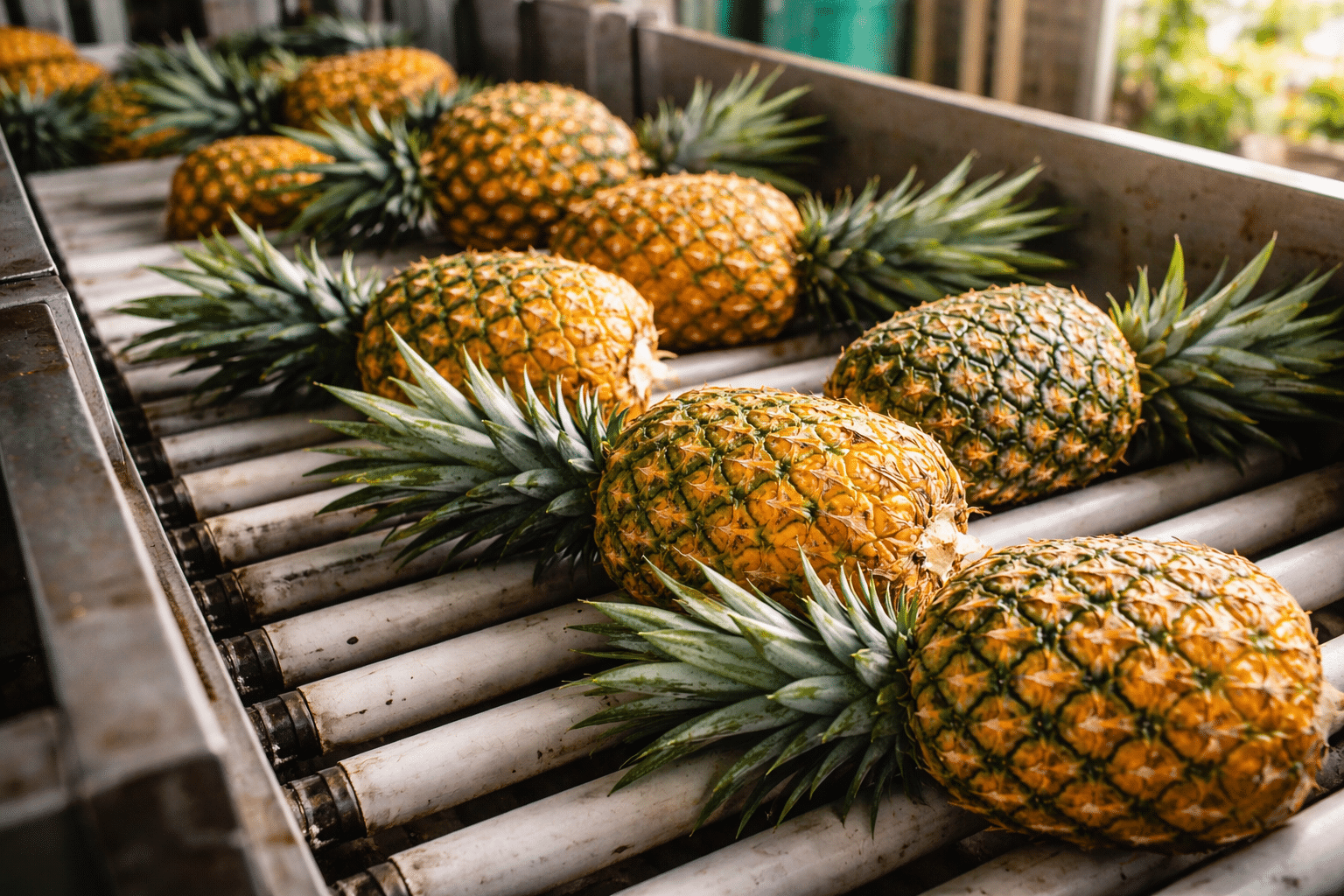
One of the most important aspects of the festival is its direct support of farmers. Agricultural vendors sell freshly harvested pineapples along with jams, preserves, juices, and sweets made on the island.
These markets allow attendees to connect directly with producers, creating awareness about where food comes from and why supporting local agriculture matters for Puerto Rico’s long-term food security.
Artisans and Cultural Expression Rooted in the Land
Beyond agriculture, the festival serves as a platform for local artisans. Handmade jewelry, home décor, and eco-friendly products inspired by pineapples highlight the fruit’s symbolism of hospitality and abundance.
Traditional Taíno-inspired crafts are also present, connecting contemporary creativity with Puerto Rico’s indigenous heritage. This blend of art and agriculture helps preserve cultural traditions while generating income for local creators.
Music, Dance, and the Rhythms of the Island
No Puerto Rican festival is complete without music. The celebration comes alive with salsa, merengue, bomba, plena, and reggaetón performed by local bands and dance groups.
Interactive dance workshops invite attendees to participate rather than observe, turning plazas into shared spaces of movement and joy. Music becomes a unifying force that connects generations and backgrounds.
Education and Sustainability at the Core of the Festival
The festival also plays an educational role by highlighting sustainable farming practices. Exhibits and workshops address eco-friendly cultivation, climate resilience, and the economic importance of pineapple production.
These sessions are designed to inspire younger generations and reinforce respect for agricultural knowledge. According to the Puerto Rico Department of Agriculture, locally focused agricultural education programs significantly increase youth participation in farming initiatives across the island.
A Family-Friendly Event That Builds Community
This celebration is intentionally inclusive. Children participate in art workshops, storytelling sessions, and colorful parades featuring pineapple-themed costumes and floats.
Families enjoy a safe, welcoming environment that encourages shared experiences. This accessibility has made the festival a recurring tradition for many Puerto Rican families.
Exploring the Region Beyond the Festival Grounds
While Barceloneta often serves as the heart of the celebration, nearby attractions extend the experience. Visitors explore local pineapple farms, relax at nearby beaches, or visit natural landmarks like Cueva Ventana overlooking the Arecibo Valley.
This combination of culture, agriculture, and nature creates a fuller understanding of the region and its people.
Community Pride and Economic Impact
The festival strengthens local pride by celebrating the dedication behind every harvest. It also generates economic activity by attracting visitors, supporting artisans, and promoting sustainable tourism.
According to the Puerto Rico Tourism Company, agricultural and cultural festivals can increase local economic activity by 20–30% during event periods, benefiting small businesses and service providers.
Conclusion: A Celebration That Reflects Puerto Rico’s Soul
The paradise pineapple festival in puerto rico is far more than a food-centered event. It is a living expression of Puerto Rican identity—rooted in land, shaped by community, and carried forward through music, art, and shared joy.
For those seeking meaningful cultural experiences, documenting and understanding celebrations like this helps preserve what makes the island unique. At EnMiPatioPR, we highlight these moments as part of a broader puerto rico visitor guide, connecting people with the traditions that continue to define Puerto Rico.