If you’ve ever been in Ponce during carnival season, you know something before you see it — you hear it. The deep pulse of drums echoing through historic streets. Brass bands cutting through the afternoon heat. Feet moving instinctively before the mind even catches up.
This is not background music. This is Puerto Rico speaking in rhythm.
Ponce Carnival isn’t just about costumes or parades. It’s about sound, movement, and the way music and dance turn an entire city into a living stage. For locals, these rhythms are familiar — passed down through family gatherings, school performances, and neighborhood celebrations. For newcomers, they’re unforgettable.
In this guide, we’ll explore how music and dance shape the soul of Ponce Carnival — where the rhythms come from, how they move people, and why they continue to define Puerto Rico’s oldest and most powerful cultural celebration.
What Is Ponce Carnival? A Cultural Foundation Before the Music Begins
Ponce Carnival traces its roots back to the mid-19th century, making it the oldest continuous carnival celebration on the island. Over time, it evolved into a cultural expression shaped by African, Spanish, and Caribbean influences — all woven together through performance.
While many people associate carnival with visual spectacle, Ponce’s celebration is built around participation. Music leads the way. Dance follows naturally. The city becomes a shared rhythm rather than a scheduled event.
Unlike staged festivals, Ponce Carnival flows organically. One street may erupt with bomba drums while another carries the echo of plena lyrics narrating everyday life. This constant movement is what separates Ponce from other celebrations across the island.
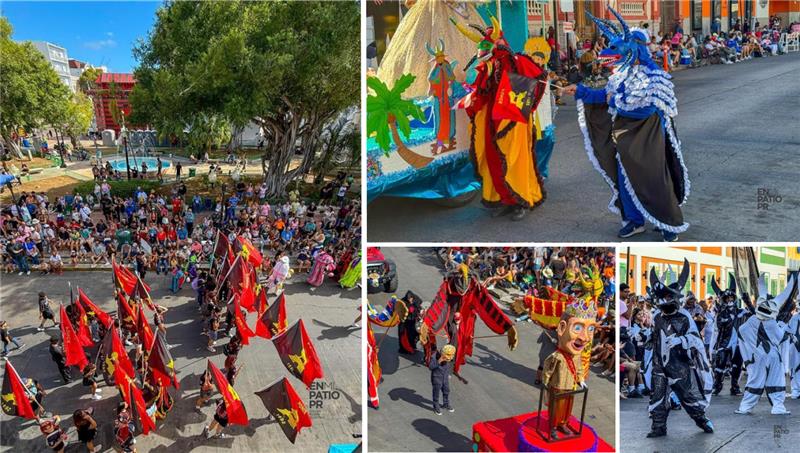
By the time the first vejigante appears, the city is already moving to the beat — a tradition locals recognize instantly as Carnival in Ponce Puerto Rico.
Why Music Is the Heartbeat of Ponce Carnival
Music isn’t added to Ponce Carnival — it drives it.
From early morning rehearsals to late-night street gatherings, sound sets the pace. Drummers don’t follow dancers. Dancers respond to drummers. That relationship is essential to understanding the carnival’s rhythm.
Live percussion dominates because it allows improvisation. Musicians adjust tempo based on crowd energy, street size, and movement. This responsiveness creates a shared experience — one that feels spontaneous even after generations of repetition.
For locals, these rhythms feel instinctive. You don’t need instructions to know when to clap, step forward, or move aside. The music communicates everything.
What Traditional Rhythms Do You Hear at Ponce Carnival?
Bomba: Rhythm as Conversation
Bomba is one of Puerto Rico’s oldest musical forms, rooted in African traditions. At Ponce Carnival, bomba is raw and immediate — dancer and drummer locked in call-and-response.
The dancer initiates movement. The drum answers. This dynamic transforms dance into dialogue, making every performance unique.
Bomba’s presence at carnival isn’t ceremonial — it’s emotional. It connects celebration with resistance, history, and pride in Afro-Puerto Rican identity.
Plena: The Soundtrack of Daily Life
Plena is often described as the “sung newspaper” of Puerto Rico. Its lyrics tell stories — humorous, political, or reflective — about the community.
During carnival, plena bands move easily through crowds, pulling people in with familiar melodies. Even spectators become participants, singing along without realizing it.
Plena’s accessibility is its strength. It reminds everyone that carnival belongs to the people, not just performers.
Brass Bands and Marching Ensembles
Brass bands bring structure and spectacle to Ponce Carnival. Influenced by European traditions, these ensembles anchor parades and formal processions.
Their sound contrasts beautifully with bomba and plena — disciplined, loud, and celebratory. Together, these rhythms reflect Puerto Rico’s layered cultural identity.
How Dance Brings the Carnival to Life
Dance at Ponce Carnival isn’t choreographed perfection. It’s expression.
Masked Movement and Improvisation
Costumed dancers move freely, exaggerating gestures and playing with rhythm. Masks remove identity, allowing movement to take center stage.
This freedom invites participation. There’s no “wrong” way to dance — only movement guided by sound.
Comparsas: Dance as Collective Identity
Comparsas are organized dance groups that rehearse for months. Their performances combine rhythm, costume, and storytelling.
Each comparsa represents a neighborhood, school, or cultural organization. Their synchronized movement reflects shared identity and pride.
Street Dancing: When Everyone Joins In
Some of the most powerful moments happen off-stage. Locals dancing alongside musicians. Children copying steps. Elders nodding in time.
This is where carnival becomes community.
The Vejigante: Rhythm, Sound, and Symbolism
No figure represents Ponce Carnival more vividly than the vejigante.
Beyond visual impact, the vejigante creates sound. The vejiga — traditionally made from a dried bladder — is slapped rhythmically, adding percussion to movement.
The dance of the vejigante is playful, unpredictable, and symbolic. It represents mischief, protection, and cultural memory — all expressed through movement and sound.
When and Where the Rhythms Peak During Carnival
While music fills Ponce throughout carnival season, certain moments stand out.
Late afternoons bring the strongest street rhythms as crowds gather and musicians feed off collective energy. Evenings transition toward structured performances and concerts.
Plaza Las Delicias acts as a central hub, but side streets often deliver the most authentic experiences — smaller groups, louder drums, closer interaction.
Locals follow sound, not schedules.
How Locals Experience Ponce Carnival Differently
For residents, Ponce Carnival isn’t a destination — it’s part of the calendar.
Locals know when to arrive early, when to step back, and when to join in. They understand which rhythms signal movement and which invite rest.
There’s also respect — for musicians, dancers, and the space itself. Carnival isn’t something to consume; it’s something to participate in.
How Music and Dance Preserve Cultural Identity
According to the Instituto de Cultura Puertorriqueña, traditional music forms like bomba and plena remain central to cultural preservation efforts across the island. Events like Ponce Carnival play a major role in keeping these traditions alive through active participation rather than performance alone.
This living transmission — parents teaching children rhythms, neighbors rehearsing together — ensures that carnival remains relevant, not frozen in the past.
Exploring More Cultural Spaces Across the Island
If you’re drawn to the rhythms of Ponce Carnival, you’ll likely enjoy discovering other places where culture lives in motion.
From regional festivals to historic plazas and performance spaces, Puerto Rico offers countless opportunities to experience music and dance in their natural environments.
Our Local Attractions page highlights spaces where culture isn’t staged — it’s lived. It’s a way to explore the island with intention, following rhythm instead of crowds.
Why the Rhythms of Ponce Carnival Still Matter
Ponce Carnival reminds us that culture isn’t preserved in silence. It survives through sound, movement, and shared experience.
Music creates memory. Dance builds connection. Together, they transform streets into stories.
For Puerto Rico, this isn’t entertainment — it’s identity in motion.
Conclusion: When the Music Stops, the Rhythm Remains
Even after the last drum fades, Ponce Carnival stays with you. In the way your foot taps without thinking. In melodies you recognize years later. In the understanding that culture lives strongest when people move together.
As the island looks ahead to Ponce Carnival Puerto Rico 2026, the rhythms remain a reminder of who we are — resilient, expressive, and deeply connected through sound and movement.
And for those who want to continue exploring Puerto Rico’s cultural heartbeat — from historic celebrations to community-driven experiences —EnMiPatioPR exists to help locals reconnect with what makes this island move.
Because long after the costumes are stored away, the rhythm of Ponce still walks with you.