Step into a historic theater in Puerto Rico just before the lights dim. You’ll notice it immediately—the weight of the walls, the silence before the first line is spoken, the feeling that something important has happened here before you arrived.
These theaters are not just buildings. They are witnesses.
Long before streaming, before modern stages and LED screens, Puerto Rico told its stories inside these spaces. Love, resistance, humor, grief, faith—all of it echoed from wooden balconies and ornate ceilings. And today, when festivals return to these theaters, something powerful happens: the past and present share the same stage.
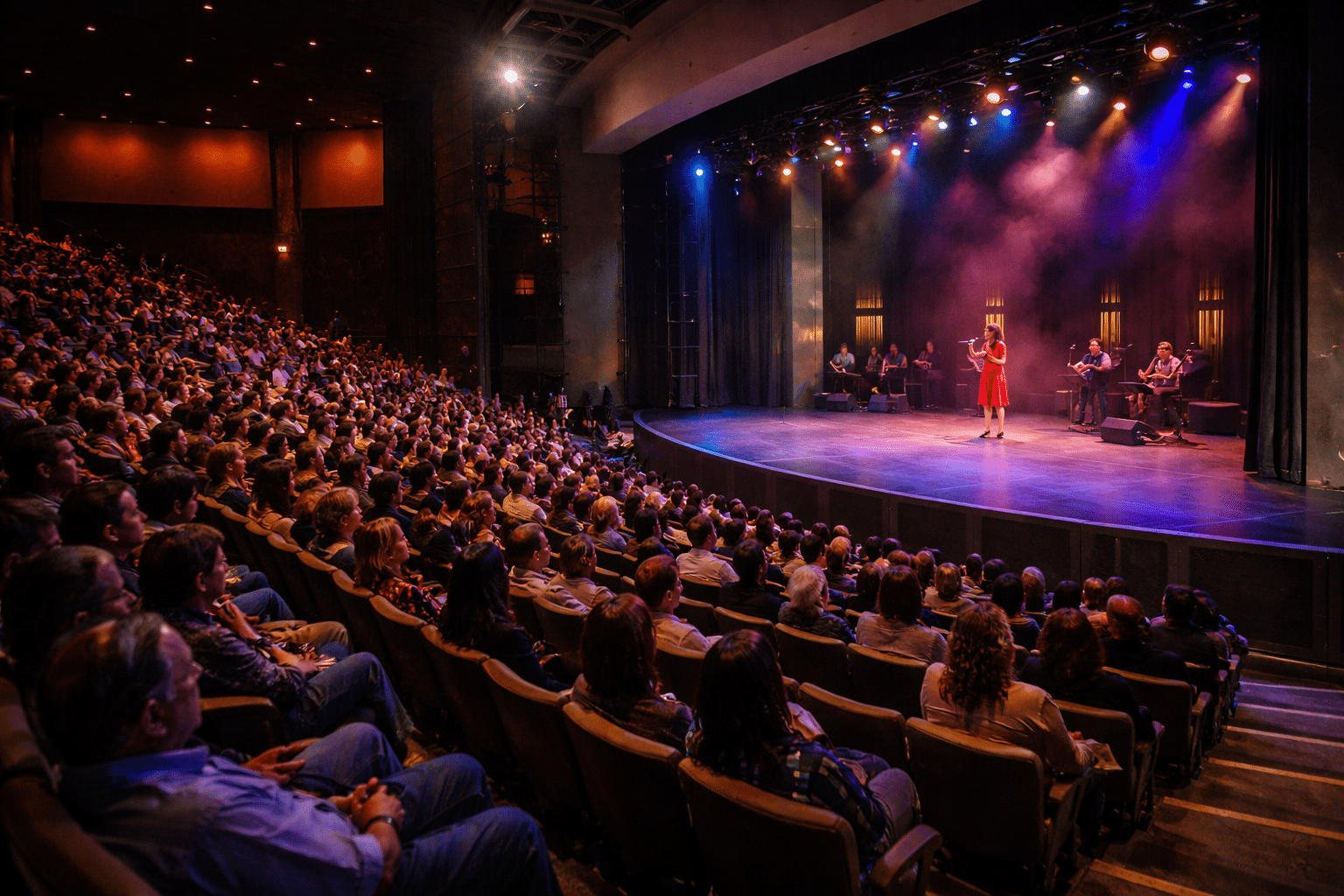
This is why historic theatres of Puerto Rico hosting the festival matter. Not as nostalgia—but as living cultural engines that continue to shape identity, memory, and community.
Why Historic Theatres Are Central to Puerto Rico’s Festival Culture
Festivals in Puerto Rico are not just about performance. They are about participation, continuity, and belonging. Historic theaters amplify this because they already carry cultural meaning before the curtain even rises.
Unlike modern venues designed for efficiency, historic theaters were built for connection. Their scale encourages intimacy. Their acoustics reward live voices. Their architecture reminds audiences that art existed here long before us—and will continue after.
For many Puerto Ricans, attending a festival inside a historic theater feels different. It feels grounded. You’re not just watching a play; you’re entering a space where generations have gathered to reflect on who we are.
That emotional depth is why festivals continue to choose these venues, even when easier alternatives exist.
A Brief History of Theatre in Puerto Rico
From Colonial Stages to Cultural Resistance
Theater arrived in Puerto Rico during the Spanish colonial period, initially shaped by European traditions. Early performances centered on religious narratives, classical dramas, and imported scripts. But over time, Puerto Rican voices began to transform the stage.
By the late 19th and early 20th centuries, theater became a tool for social commentary and identity formation. Playwrights began addressing language, class, migration, and political tension—often using humor and symbolism to say what could not be said directly.
According to archival data from the Instituto de Cultura Puertorriqueña, theatrical activity expanded significantly in the mid-20th century as cultural institutions were formalized and community theaters emerged across the island.
These theaters did more than entertain. They helped Puerto Rico see itself clearly.
Why Festivals Choose Historic Theatres Over Modern Venues
There’s a reason festival directors consistently return to historic theaters.
First, sound behaves differently in these spaces. Before amplification existed, theaters were designed to carry human voices naturally. This creates performances that feel raw and immediate—especially powerful for drama and spoken word.
Second, the audience relationship changes. You’re not separated by distance or spectacle. You’re close enough to feel breath, pauses, and emotion.
Third, symbolism matters. Performing contemporary stories inside historic walls sends a clear message: our culture evolves, but it does not erase itself.
Festivals aren’t just using a space—they’re continuing a conversation that started decades ago.
Iconic Historic Theatres in Puerto Rico That Host Festivals
Teatro Alejandro Tapia y Rivera – Where Puerto Rican Theatre Took Root
Located in Old San Juan, Teatro Tapia is the oldest permanent theater in Puerto Rico. Since the 19th century, it has hosted everything from classical opera to politically charged modern productions.
Festival performances here carry a unique gravity. Artists know they are stepping into a lineage. Audiences feel it too—there’s a collective awareness that this space matters.
Teatro Yagüez – Western Puerto Rico’s Cultural Pillar
In Mayagüez, Teatro Yagüez stands as a symbol of regional pride. After surviving fire and restoration, it continues to host major theatrical festivals and touring productions.
For communities in western Puerto Rico, this theater isn’t secondary to San Juan—it’s central. Festivals here often blend academic, community, and experimental voices, reflecting the diversity of the region.
Community Theatres and Cultural Centers
Beyond the most famous venues, smaller historic theaters and cultural centers across the island play a crucial role. These spaces host emerging artists, youth productions, and festival extensions that keep theater accessible and local.
Their importance is not in scale—but in continuity.
How Festival Programming Adapts Inside Historic Theatres
Festivals adjust their programming when they enter historic spaces—and that’s intentional.
Set designs become more minimal, allowing architecture to speak. Performances rely more heavily on voice and physical presence. Lighting is used carefully to respect aging structures.
This restraint creates stronger storytelling. When distractions disappear, audiences listen more closely. Performers respond in kind.
Historic theaters don’t limit festivals—they sharpen them.
What Audiences Feel Inside a Historic Theatre During a Festival
There’s a reason people describe these experiences as “different,” even if they can’t explain why.
Part of it is shared silence. Historic theaters encourage focus. When a room has held attention for generations, people instinctively offer it again.
Part of it is emotional layering. You’re aware that others laughed, cried, and questioned themselves in the same seats.
That awareness creates something rare today: collective presence.
Festivals as a Tool for Theatre Preservation
Historic theaters require care, maintenance, and relevance to survive.
Festivals provide all three.
Attendance generates revenue. Visibility attracts public and private support. Most importantly, festivals keep these spaces active—not frozen in time.
According to Discover Puerto Rico cultural reports, live performance events contribute significantly to heritage tourism and local economic circulation, especially when held in historic districts.
Preservation doesn’t happen through silence. It happens through use.
The Neighborhoods Around Historic Theatres
Where Culture Extends Beyond the Stage
Historic theaters rarely stand alone. They exist within plazas, old streets, cafés, and neighborhoods that absorb festival energy.
Before a show, people gather nearby. After, they talk, debate, and reflect. This spillover turns festivals into shared community moments.
Exploring these surrounding areas—on foot, without rush—is often where the most meaningful cultural exchanges happen. It’s also why planning your visit around local attractions enhances the experience beyond the performance itself.
Why Historic Theatres Still Matter in Modern Puerto Rico
In a world dominated by screens, historic theaters ask something different of us.
They ask us to show up. To sit together. To listen without scrolling.
They remind us that culture is not content—it’s participation.
For Puerto Rico, these theaters anchor identity in place. They hold language, humor, resistance, and creativity in physical form. When festivals activate them, culture becomes visible again—not archived.
The Future of Theatre Festivals in Puerto Rico’s Historic Spaces
The future is not about replacing historic theaters—it’s about re-engaging them.
Younger artists are experimenting with form while honoring space. Community groups are reclaiming stages once seen as elite. Festivals are expanding beyond capitals into regional theaters.
This balance between tradition and innovation is exactly what keeps culture alive.
Conclusion: When History, Art, and Community Share the Same Stage
Historic theatres of Puerto Rico hosting the festival are not relics. They are active participants in our cultural present.
They remind us that storytelling didn’t begin with us—and won’t end here. When festivals fill these spaces, they do more than entertain. They reconnect communities with memory, language, and shared experience.
As Puerto Rico looks ahead, preserving these theaters through participation—not preservation alone—will determine how our cultural identity evolves.
For locals exploring performances, neighborhoods, and cultural routes connected to these venues, platforms like EnMiPatioPR help highlight experiences that feel rooted rather than packaged—especially as attention grows toward gatherings like the international theater festival in puerto rico 2026 which continues to bring global dialogue into historic local spaces through the international theater festival in puerto rico event.