There are traditions in Puerto Rico that everyone knows — bomba, plena, vejigantes, Carnival. And then there are traditions that live quietly in the memories of elders, waiting for a new generation to bring them back to life. Kokobalé is one of them.
Once practiced in the island’s coastal communities, this Afro-Boricua warrior art blended rhythm, movement, defense techniques, music, and community resistance. Today, Kokobalé is returning with strength, sparking curiosity across the island. And if you’ve ever wondered why, this article is your guide into one of Puerto Rico’s most powerful cultural revivals.
Reviving Kokobalé isn’t just about honoring history — it’s about reclaiming identity, empowering communities, and redefining how culture shapes modern Puerto Rican life.
1. What Is Kokobalé and Why Is Everyone Talking About It Again?
Kokobalé originated centuries ago in coastal Afro-Puerto Rican communities such as Loíza and Mayagüez. Part martial art, part dance, part coded communication, it was used for community protection during colonial oppression. Unlike other traditions that evolved into global symbols, Kokobalé slowly faded as urbanization, migration, and cultural shifts reshaped Puerto Rican society.
But today, younger generations are asking: “What exactly is Kokobalé?”
The answer is powerful — Kokobalé is a living reminder that Puerto Rican identity holds layers of African heritage, resistance, and cultural genius. As interest in heritage grows, workshops, cultural festivals, and local groups are bringing this tradition back into the spotlight, turning it into a symbol of cultural pride.
2. The Warrior Roots: How Kokobalé Protected Communities
To understand why Kokobalé matters, you must understand its purpose. Historically, Kokobalé wasn’t entertainment — it was strategy. Communities used rhythmic footwork, stick techniques, and musical signals to warn each other of danger or organize resistance. Its movements were disguised within dance so that overseers and outsiders couldn’t recognize the training happening in plain sight.
This wasn’t just physical skill — it was psychological empowerment.
Kokobalé built unity, coordination, and resilience. It became a way to protect families, strengthen community bonds, and pass down knowledge without leaving written records. The tradition represents the ingenuity of Afro-Boricua ancestors who used culture as both shield and language.
3. The Modern Revival: Why Puerto Rico Is Bringing Kokobalé Back
In recent years, Puerto Rico has witnessed a cultural renaissance. From bomba circles in plazas to Afro-Caribbean festivals, people are reclaiming traditions once overlooked. Kokobalé fits perfectly into this movement.
Younger Puerto Ricans are searching for deeper roots — traditions that connect them to ancestry, identity, and community. Cultural leaders and organizations now offer classes, exhibitions, and community practices to reintroduce Kokobalé through schools, plazas, and festivals.
This revival isn’t happening quietly — it’s a movement.
And at the center of that movement is the bold and growing promotion of Kokobalé, which cultural educators are using to empower new generations. These programs work hand-in-hand with community events and cultural hubs across the island, many of which are featured among Puerto Rico’s Local Attractions, where heritage experiences are becoming more popular than ever.
4. The Music, Rhythm, and Rituals That Make Kokobalé Truly Unique
Kokobalé isn’t just movement — it’s rhythm. The tradition is guided by percussion instruments such as barriles, sticks, and African-inspired drums. The music provides cues that guide the flow of movement in a dialogue between players. This rhythm transforms Kokobalé into something deeper than a martial practice — it becomes storytelling.
Every chant, every beat, every step carries meaning. Modern practitioners work hard to preserve these sounds because they connect directly to the island’s Afro-Caribbean ancestry.
Watching Kokobalé performed today is like witnessing history return to life — the language, the rhythm, and the ritual once again becoming part of Puerto Rico’s cultural landscape.
5. Kokobalé and the Youth: A New Generation of Cultural Warriors
One of the most exciting parts of the revival is how many young Puerto Ricans are embracing Kokobalé. Community workshops teach kids not just the techniques, but the history behind them — ensuring the tradition is not just revived, but protected.
For young people, Kokobalé offers something invaluable:
- Identity — a deeper understanding of their Afro-Boricua roots.
- Confidence — the discipline and movement help build self-esteem.
- Community — classes create bonds across families, neighborhoods, and generations.
Parents, teachers, and artists are encouraging youth involvement because it helps them reclaim a heritage that was once at risk of being forgotten. Social media has magnified this movement, helping Kokobalé reach farther than ever before.
6. Kokobalé and Puerto Rico’s Cultural Economy: More Than Tradition
As cultural tourism grows, Kokobalé is becoming an unexpected attraction. Visitors increasingly search for authentic experiences, and Kokobalé offers exactly that — immersive history, rhythm, and community connection.
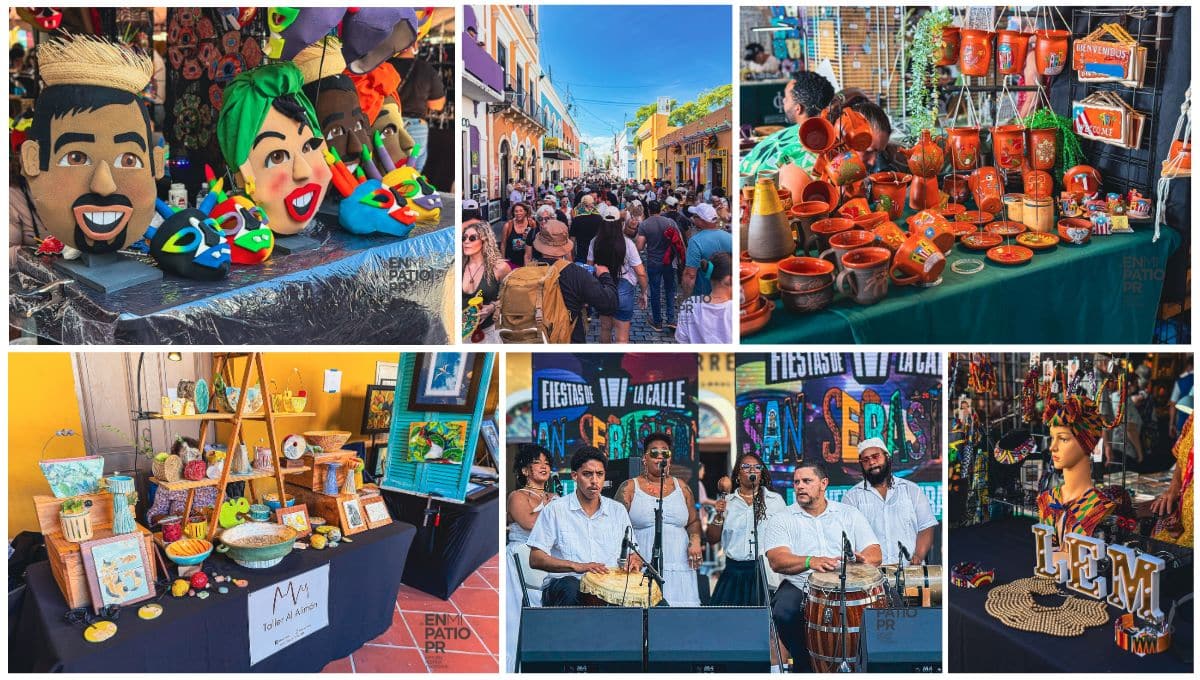
Festivals in towns like Loíza, San Juan, and Ponce now feature Kokobalé demonstrations that draw crowds, and artisans create instruments, clothing, and accessories inspired by the tradition.
This growth benefits everyone — musicians, teachers, performers, artisans, and small businesses — proving that Kokobalé isn’t just historical heritage; it’s a cultural asset with economic potential.
Cultural spaces listed among Puerto Rico’s Local Attractions are now embracing Kokobalé as part of their programming, integrating it into workshops, tours, and community events that enrich the island’s cultural ecosystem.
Conclusion: A New Era for Kokobalé — And Puerto Rican Identity
Reviving Kokobalé isn’t simply about remembering the past — it’s a revolution of cultural pride, community connection, and ancestral honor. As more Puerto Ricans rediscover its meaning, Kokobalé is becoming a bridge between generations and a powerful symbol of Afro-Boricua identity.
For anyone looking to explore cultural experiences, festivals, history, or hidden traditions like Kokobalé, EnMiPatioPR serves as your trusted partner — guiding you toward meaningful places to go in Puerto Rico where heritage is alive and thriving.
Puerto Rico is not just preserving Kokobalé — it is bringing it back stronger than ever.