Some celebrations exist for entertainment. Others exist to remind a people who they are. The Carnival in Ponce Puerto Rico belongs firmly in the second category. Long before social media, sponsorships, or modern parades, this carnival was already shaping cultural identity through masks, music, and community participation. For over a century and a half, it has remained a space where history walks beside the present.
For those who live on the island, the Ponce Carnival is not something to “attend.” It’s something you return to—year after year—because it reflects who we are and how we remember.
What Is the Carnival in Ponce Puerto Rico and Why Does It Matter?
At its core, the Ponce Carnival is the oldest continuously celebrated carnival in Puerto Rico. While many festivals come and go, this one has endured because it belongs to the people, not to trends. It transforms the city into a living cultural space where art, folklore, and collective memory coexist.
Unlike other celebrations centered on concerts or tourism, the Carnival in Ponce Puerto Rico prioritizes tradition. Every parade, costume, and performance is rooted in symbolism, making the event as educational as it is joyful.
Origins and History: How the Ponce Carnival Began in 1858
The first documented Ponce Carnival took place in 1858, inspired by European pre-Lenten customs. However, what makes this event unique is how Puerto Rican communities reshaped those influences into something distinctly their own. Over time, African rhythms, local creativity, and popular expression became its foundation.
Today, the carnival represents more than 160 years of uninterrupted cultural practice. According to the Instituto de Cultura Puertorriqueña, it stands as one of the longest-running cultural events on the island, proving that tradition survives when communities protect it.
Who Are the Vejigantes and What Do They Represent?
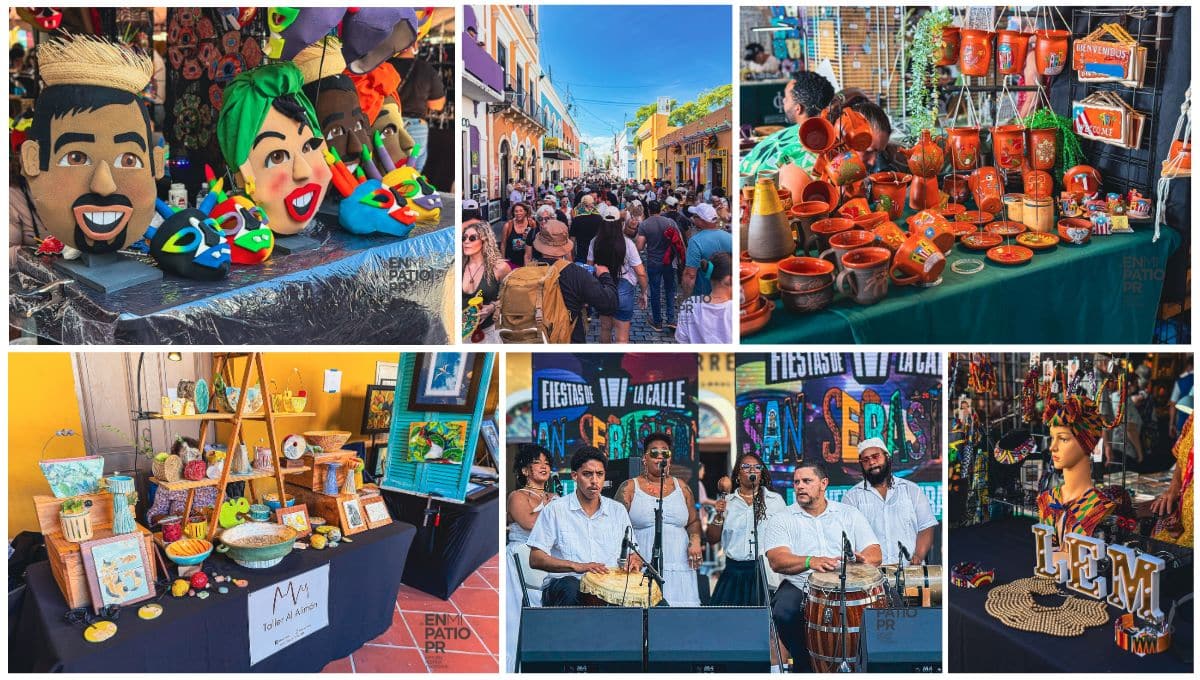
No symbol defines the Ponce Carnival more than the vejigantes. These masked figures—bright, horned, exaggerated—are not random characters. They represent a cultural fusion of African, Spanish, and Taíno influences that shaped Puerto Rican identity.
Each handmade papier-mâché mask is crafted by local artisans, making every piece unique. The vejigantes’ playful gesture of tapping balloons against spectators symbolizes the removal of negativity and the celebration of life, turning folklore into a shared ritual rather than a performance.
Music, Parades, and Street Performances: What Happens During the Carnival?
During carnival week, Ponce becomes a moving stage. Parades fill the streets with floats, dance troupes, and community groups representing neighborhoods, schools, and cultural organizations. The music—especially bomba and plena—provides the rhythm that connects every element.
What makes these performances special is their accessibility. You don’t watch from a distance; you experience them up close. This constant interaction between performers and spectators keeps the carnival grounded in community rather than spectacle.
Who Is King Momo and What Is the Burial of the Sardine?
King Momo serves as the symbolic ruler of the carnival, embodying excess, humor, and celebration. Chosen each year from respected community figures, his role is both ceremonial and cultural, representing collective joy.
The festival concludes with the “Burial of the Sardine,” a ritual that humorously marks the end of indulgence and the beginning of Lent. This tradition reinforces the carnival’s historical roots while allowing humor and creativity to remain central.
What Is the Vejigantes Carnival at the Beach?
Before the main festivities begin, locals gather for the Vejigantes Carnival at the Beach. This pre-carnival event introduces the royal court and vejigantes in a more intimate setting, often featuring smaller parades, workshops, and live music.
For many residents, this is where the carnival truly begins. It sets the tone, strengthens community participation, and connects coastal identity with the city’s broader cultural expression.
Food, Crafts, and Local Art: A Full Sensory Experience
The carnival is not only visual—it’s deeply sensory. Food stalls offer traditional favorites like alcapurrias, pastelillos, roasted pork, and fresh beverages that reflect Puerto Rican flavor traditions.
Local artisans display handcrafted jewelry, clothing, and vejigante masks, turning the carnival into a marketplace of cultural expression. These elements ensure the celebration supports local creators while preserving traditional craftsmanship.
Community, Family, and Cultural Transmission
One of the most powerful aspects of the Ponce Carnival is its intergenerational nature. Children learn mask-making, elders share stories, and families participate together. Culture is not explained—it is lived.
This transmission of knowledge strengthens identity. It ensures that traditions are not archived, but practiced, giving future generations a direct connection to their roots.
Economic and Cultural Impact on Ponce
Beyond symbolism, the carnival has measurable impact. According to the Puerto Rico Tourism Company, cultural festivals can increase local economic activity by 20–30% during event periods. Restaurants, hotels, artisans, and performers all benefit from the influx of visitors.
More importantly, the carnival reinforces Ponce’s role as a cultural anchor for the island, proving that heritage can support both pride and sustainability.
Why the Ponce Carnival Remains Relevant Today
In a fast-changing world, the carnival’s relevance comes from its consistency. While styles evolve, its meaning does not. Younger generations continue participating not out of obligation, but because the carnival offers belonging.
The Ponce Carnival Puerto Rico 2026 will not be about reinvention—it will be about continuity. And that is precisely its strength.
Conclusion: A Living Tradition That Still Defines Us
The Carnival in Ponce Puerto Rico is not a memory—it is a living practice. It brings together history, creativity, and community in a way that few events can. Every mask, drumbeat, and parade reminds us that identity is not static; it is celebrated.
For those seeking deeper cultural understanding, festivals like this reveal the true heartbeat of the island. At EnMiPatioPR, we document and share these living traditions as part of our commitment to guiding people toward meaningful cultural experiences through our puerto rico visitor guide—because understanding Puerto Rico begins with honoring what continues to shape it