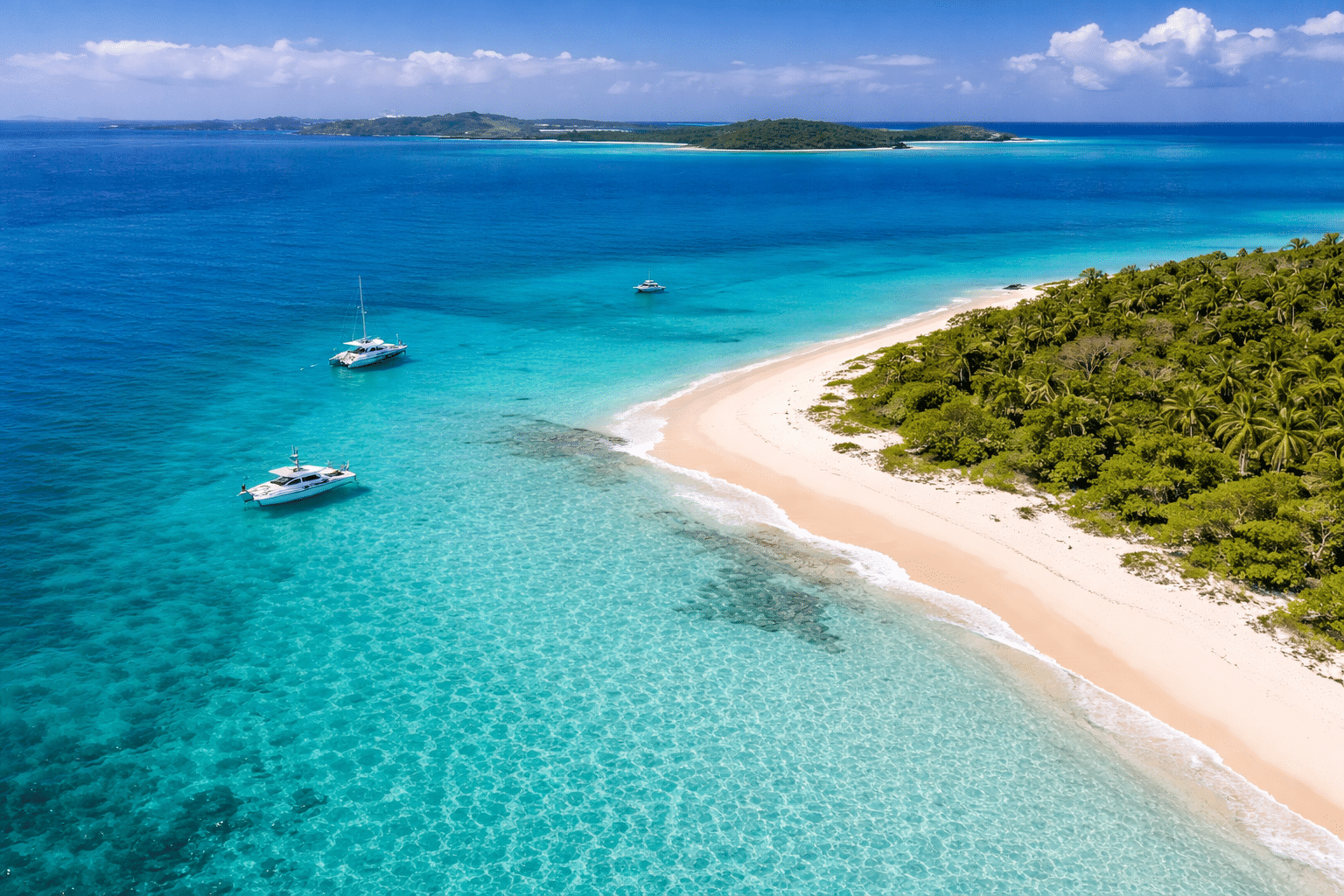
If you’ve ever stood on a quiet shoreline where the water is so clear it feels unreal, you already understand why Culebra is different. This is not the Puerto Rico of cruise ports or packed boardwalks. This is the Puerto Rico that moves slower, listens to the sea, and asks visitors to do the same.
For locals, Culebra isn’t just a weekend escape. It’s a reminder of what the island looked like before overdevelopment—raw, protected, and deeply connected to nature. And while most people talk about Flamenco Beach, the real magic of Culebra lives beyond the obvious.
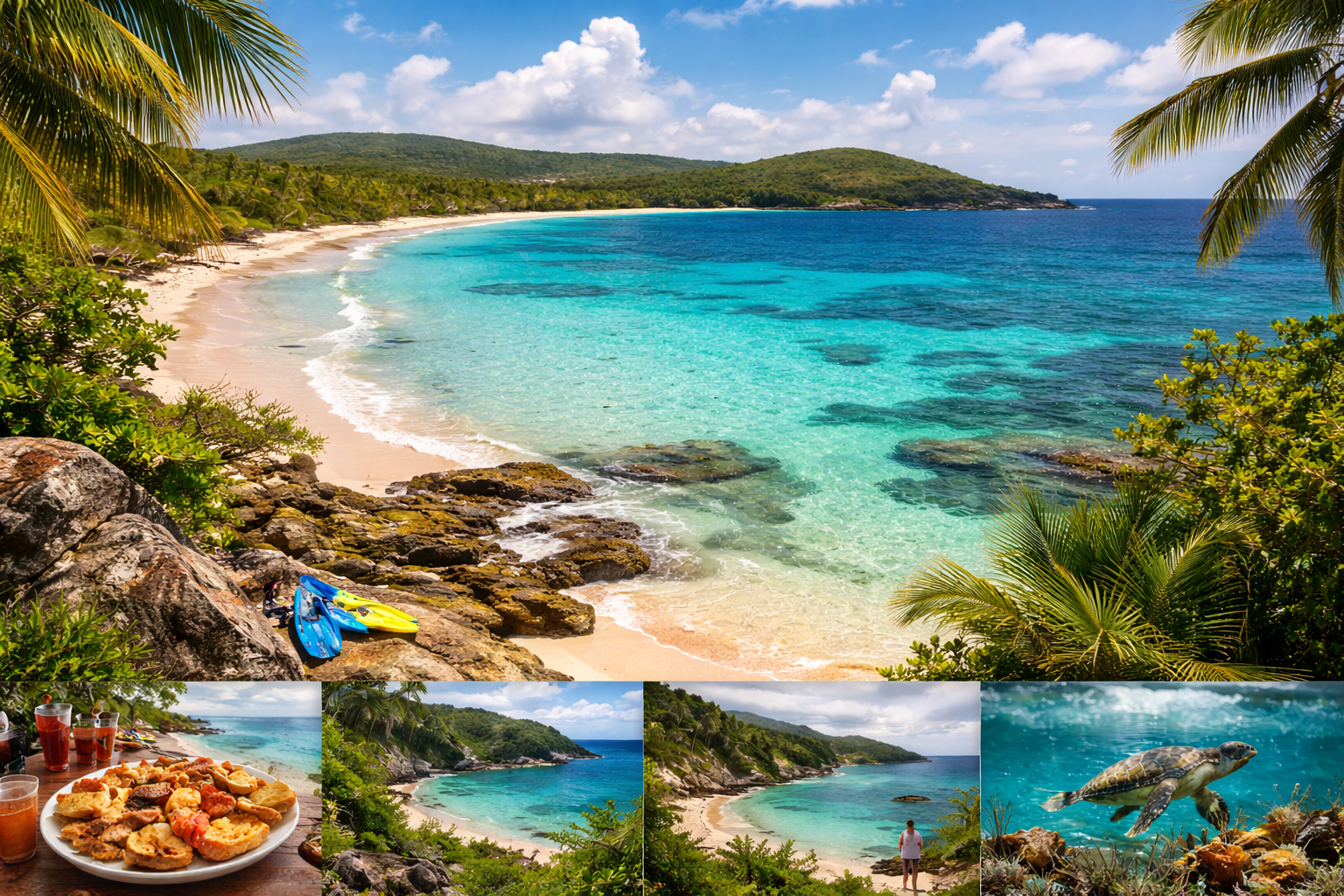
This guide is built for people who want to explore responsibly, avoid crowds, and understand why each beach feels the way it does. We’ll cover the iconic spots, the quieter shores, and the hidden places locals respect—not exploit.
Where Is Culebra and Why It Feels So Different From the Mainland
Culebra sits about 17 miles east of Puerto Rico’s mainland, separated not just by water, but by pace. With fewer than 2,000 permanent residents, the island has remained intentionally low-impact.
Much of Culebra is protected as a national wildlife refuge and marine reserve, which means development is limited and ecosystems are preserved. That’s why the water clarity, coral health, and beach conditions feel so different compared to heavily trafficked coastal areas on the main island.
This isn’t accidental. It’s the result of decades of conservation—and it’s why every visitor carries responsibility.
How to Get to Culebra (What Locals Know That Others Don’t)
Getting to Culebra is part of the experience.
Most locals use the ferry from Ceiba, but timing matters. Early morning ferries are calmer and more reliable. Flights from Ceiba or Isla Grande are faster, but weather-dependent and limited.
Once on the island, renting a jeep or golf cart is the most practical option. Public transportation is minimal, and walking between beaches isn’t always realistic due to distance and heat.
The key is planning—but staying flexible. Culebra doesn’t reward rigid schedules.
Why Culebra’s Beaches Feel Untouched (Because They Mostly Are)
Culebra’s beaches remain pristine because they are protected—and because services are intentionally limited.
There are fewer vendors, fewer buildings, and fewer signs. That’s not a lack of infrastructure; it’s a conscious choice to protect nesting sea turtles, coral reefs, and dune systems.
According to NOAA marine data, protected Caribbean reserves like Culebra’s reefs show significantly higher coral resilience compared to unrestricted coastal zones
In short: less convenience equals more beauty.
Flamenco Beach: The Iconic Shore (Without the Hype)
Flamenco Beach earns its reputation—but only if you approach it right.
Its wide crescent shape, soft white sand, and calm turquoise water make it one of the most photogenic beaches in the Caribbean. Facilities like restrooms and food kiosks make it accessible for families.
The mistake most people make is arriving midday on weekends. Locals know early mornings or late afternoons transform Flamenco into something peaceful and almost empty.
Walk toward the edges. That’s where Flamenco breathes.
Playa Zoni: Where the Island Gets Quiet Again
On the eastern side of Culebra, Playa Zoni offers a completely different experience.
This beach faces the open Atlantic, which means stronger winds and waves—making it better for walking, reflection, and photography than swimming. It’s also one of the best places to witness turtle nesting during season.
There are no services here. No crowds. Just wind, water, and space. For many locals, this is where Culebra feels most honest.
Tamarindo Beach: Snorkeling With Sea Turtles
If you want to understand why Culebra’s marine life is so special, Tamarindo Beach is the place.
The shallow reef system attracts green sea turtles year-round, along with colorful fish and rays. Because the water is calm and shallow, it’s ideal for relaxed snorkeling.
Respect matters here. Keep distance from turtles, avoid standing on coral, and use reef-safe sunscreen. Tamarindo rewards patience, not pursuit.
Carlos Rosario Beach: The Underrated Favorite
Often overlooked because it requires a short walk or water taxi, Carlos Rosario Beach offers some of the clearest snorkeling conditions on the island.
The reef sits close to shore, and the fish diversity rivals more famous Caribbean sites. There are no facilities, which keeps crowds low.
Bring water, shade, and time. This is not a place to rush.
Hidden Spots Locals Don’t Advertise (And Why That’s Intentional)
Culebra has coves and viewpoints that don’t appear on maps—and that’s deliberate.
Some areas are tide-dependent. Others are environmentally sensitive. Locals protect these places by not naming them publicly.
If you hear vague directions instead of GPS pins, that’s respect—not secrecy. The island survives because of restraint.
Choosing the Right Beach for Your Style of Day
Not every beach fits every mood.
Families often prefer Flamenco for its calm water and facilities.
Snorkelers gravitate toward Tamarindo or Carlos Rosario.
Photographers and walkers love Zoni.
Solitude seekers find peace on less traveled shores.
Culebra works best when you choose intention over impulse.
Best Time to Visit Culebra (Without Competing for Space)
Late spring and early fall offer the best balance: calm seas, fewer visitors, and warm water.
Summer brings heat but excellent snorkeling. Winter offers cooler air but rougher seas on the eastern beaches.
There is no bad season—only mismatched expectations.
What to Pack (Because You Can’t Just “Run to the Store”)
Culebra requires self-sufficiency.
Bring water, snacks, shade, cash, reef-safe sunscreen, and patience. Convenience stores are limited, and closing times are unpredictable.
The island doesn’t adapt to visitors. Visitors adapt to the island.
Rules That Exist for a Reason
Removing sand, disturbing wildlife, or leaving trash carries legal penalties—and community consequences.
Culebra is protected because it has to be. Every careless action affects nesting turtles, coral growth, and water quality.
Leave nothing behind. Take only memory.
Beyond Beaches: Eating, Views, and Island Rhythm
When you step away from the shore, Culebra reveals its quieter pleasures.
Small family-run kitchens serve fresh seafood, simple plates, and island staples that reflect the day’s catch and availability. This is where Local food in Culebra feels less like dining and more like sharing.
Sunset viewpoints near Punta Soldado offer unmatched views—no crowds, no noise.
If you want to explore similar low-impact places across the island, our Local Attractions page highlights destinations where culture, nature, and responsibility intersect naturally—without forcing the experience.
Planning Culebra the Right Way
Culebra is not about doing more. It’s about doing less, better.
Slow down. Stay present. Listen to the island.
If you approach it with humility, Culebra gives you something rare: clarity.
Conclusion: Why Culebra Stays With You
Culebra doesn’t impress loudly. It stays with you quietly.
Long after you leave, you remember the color of the water, the stillness of the beaches, and how little you needed to feel fulfilled. That’s why locals return again and again—not to conquer the island, but to reconnect with it.
And for those seeking to experience Puerto Rico with intention—from mountain towns to coastal sanctuaries—platforms like EnMiPatioPR exist to guide discovery thoughtfully, not aggressively.
Because the Best beaches in Culebra aren’t just places you visit.
They’re places that change how you see the island—and yourself.