If you’ve ever sat in a plaza at night and watched a play unfold under open skies—actors speaking in Puerto Rican Spanish, jokes landing differently because they’re ours, stories reflecting struggles you recognize—then you already understand something powerful: theatre in Puerto Rico isn’t entertainment. It’s identity in motion.
Unlike concerts or large-scale spectacles, theatre festivals here feel intimate. They ask you to listen. They ask you to reflect. And more importantly, they ask you to remember who we are—where we’ve been, and how we continue to tell our story.
In a place shaped by colonial history, migration, resilience, and creativity, theatre festivals play a unique role. They don’t just showcase talent. They preserve language, amplify community voices, and help Puerto Ricans see themselves clearly—on stage and beyond it.
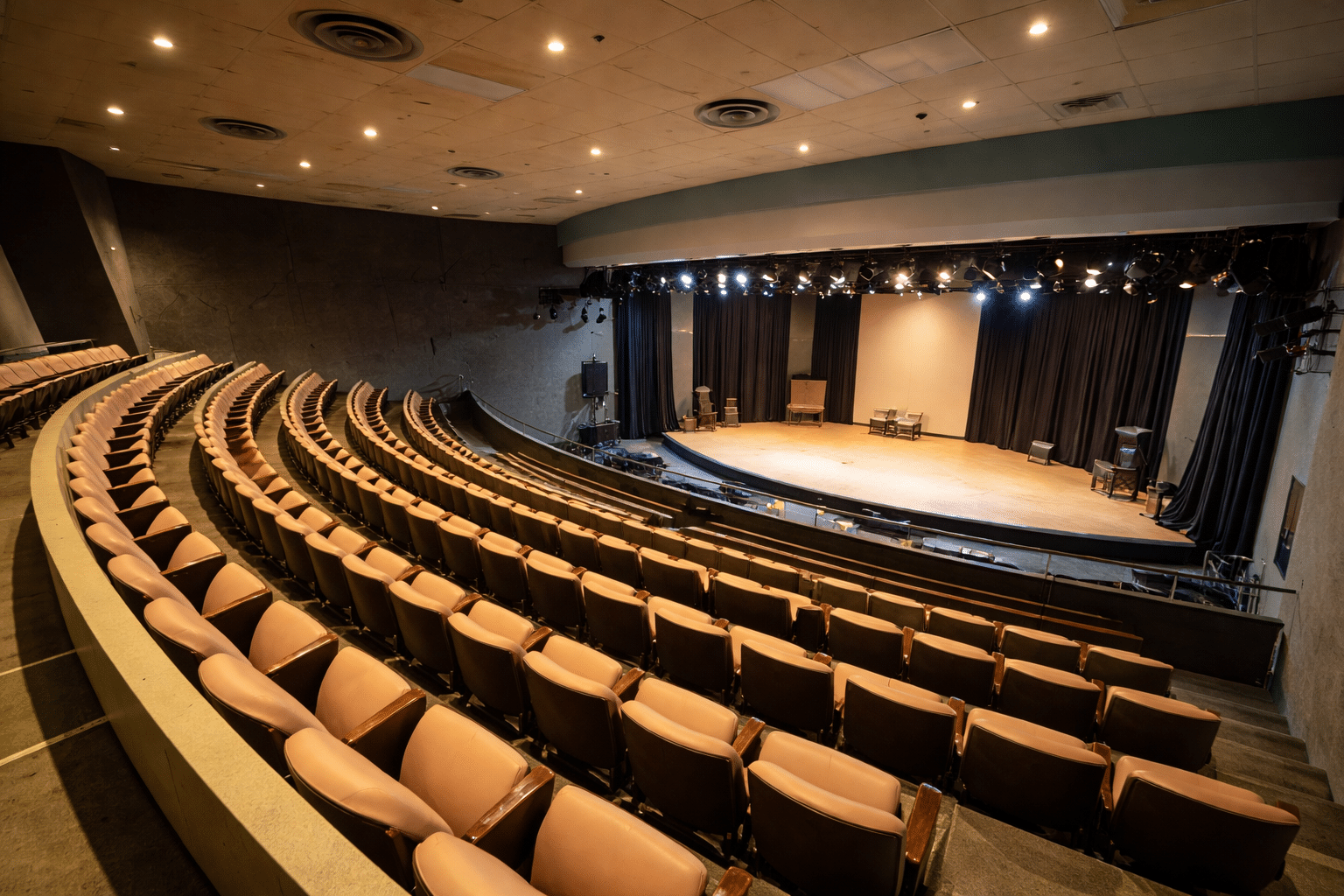
This guide explores how theatre festivals shape cultural identity in Puerto Rico, why they matter now more than ever, and how they continue to influence the way communities connect, express, and evolve across the island.
What Cultural Identity Means in Puerto Rico—and Why Theatre Matters
Puerto Rican cultural identity isn’t defined by one tradition or era. It’s layered—Taíno roots, Spanish influence, African heritage, U.S. political realities, and modern diaspora experiences all intersecting at once.
Theatre has always been one of the strongest ways to hold those layers together.
Long before digital media, live performance served as a communal mirror. It reflected daily life, challenged authority, and created shared understanding. In Puerto Rico, theatre became a space where identity wasn’t explained—it was lived.
Festivals amplify this power. Instead of limiting stories to closed venues, they bring performance into plazas, schools, cultural centers, and streets. That accessibility ensures culture stays collective, not exclusive.
A Brief History of Theatre as Cultural Expression in Puerto Rico
Puerto Rican theatre didn’t begin as entertainment—it began as resistance.
During colonial periods, performance was often used to comment on power, class, and injustice. In the 20th century, theatre evolved into a tool for social critique, identity affirmation, and education. Playwrights wrote about migration, language loss, poverty, gender roles, and political ambiguity—topics that weren’t always welcomed elsewhere.
As independent theatre groups grew, festivals emerged as natural extensions of this movement. They offered visibility without censorship and connection without hierarchy.
According to the Instituto de Cultura Puertorriqueña, community-based arts initiatives expanded significantly after the 1970s, coinciding with a rise in locally produced theatrical works—a shift that reshaped how culture was shared island-wide.
Why Theatre Festivals Are Different From Traditional Performances
Theatre festivals change the relationship between artist and audience.
Instead of formal seating and distant stages, many festivals encourage proximity. You’re not just watching a play—you’re part of the atmosphere. Performers respond to audience reactions. Locals recognize neighbors on stage. Stories feel immediate because they are.
This format removes the idea that theatre is “elite.” It becomes familiar, accessible, and grounded in everyday Puerto Rican life.
For many communities, festivals are the first—and sometimes only—exposure young people have to live theatre. That early connection shapes how culture is understood and valued.
Major Theatre Festivals That Influence Puerto Rican Identity
Across the island, theatre festivals help define regional voices while contributing to a shared national narrative.
Some festivals focus on original Puerto Rican scripts, reinforcing language and humor that feel authentic. Others invite international productions, allowing cultural exchange without erasing local context.
In cities like Ponce, Mayagüez, and San Juan—and in smaller towns where community theatre thrives—these events become annual rituals. They don’t just attract audiences; they strengthen identity by reminding people that their stories deserve a stage.
Discover Puerto Rico reports that cultural festivals collectively attract hundreds of thousands of attendees annually, underscoring how deeply embedded arts events are in local life and community participation.
Language, Accent, and Why Theatre Preserves Puerto Rican Spanish
Language is one of the most powerful identity markers—and theatre protects it fiercely.
In Puerto Rican plays, accents are not neutralized. Slang isn’t translated. Humor relies on shared understanding. This matters, especially as English-dominant media becomes more prevalent.
Theatre festivals create space where Puerto Rican Spanish exists without apology. For younger audiences, hearing their everyday language valued on stage reinforces pride rather than correction.
This preservation isn’t accidental. It’s intentional cultural stewardship.
Theatre Festivals as Mirrors of Social Reality
Theatre in Puerto Rico doesn’t avoid difficult conversations—it invites them.
Plays often explore migration and return, economic pressure, family expectations, gender roles, and identity confusion. Comedy is frequently used as a survival mechanism, allowing heavy themes to be processed collectively.
Festivals make these conversations public. When audiences laugh, reflect, or sit quietly together, they’re participating in shared understanding. That collective experience strengthens cultural bonds in ways few other formats can.
How Theatre Festivals Strengthen Local Communities
The impact of theatre festivals goes far beyond the stage.
Local vendors, technicians, musicians, and artisans are often involved. Families attend together. Elders see familiar traditions honored. Youth see possibility.
These events temporarily transform towns into cultural hubs, reinforcing pride and belonging. They also create informal learning spaces where history, values, and creativity are passed down organically.
In this way, theatre festivals function as cultural infrastructure—not entertainment add-ons.
Youth, Education, and the Future of Cultural Identity
One of the most important roles theatre festivals play is educational.
School partnerships and youth theatre programs introduce performance as a form of expression rather than performance perfection. Students learn to speak confidently, collaborate, and tell their own stories.
For a generation growing up between cultures and platforms, theatre offers grounding. It teaches presence, listening, and empathy—skills deeply tied to cultural continuity.
Theatre Festivals vs. Mass Entertainment
Mass entertainment is designed for scale. Theatre festivals are designed for connection.
While global content can entertain, it rarely reflects local realities. Theatre festivals counterbalance that by centering Puerto Rican experiences—without filters or algorithms.
Supporting local theatre isn’t about nostalgia. It’s about cultural sustainability.
Theatre Festivals and Responsible Cultural Tourism
When visitors attend theatre festivals respectfully, they don’t consume culture—they engage with it.
These events offer a low-impact form of cultural tourism that benefits communities directly. Visitors leave with understanding rather than souvenirs, and locals retain control over their narratives.
This model aligns with a more thoughtful approach to exploring Puerto Rico—one that values participation over performance.
How to Discover Theatre Festivals and Cultural Events Locally
Theatre festivals aren’t always heavily advertised, which makes local discovery essential.
Many events are tied to seasonal programming, community calendars, and regional celebrations. Exploring a dedicated Local Attractions page helps residents and visitors alike align their schedules with meaningful cultural experiences—whether theatre, music, or community festivals.
This kind of discovery encourages exploration beyond the usual routes and supports events rooted in place, not promotion.
Conclusion: Why Theatre Festivals Remain Central to Puerto Rico’s Identity
Theatre festivals don’t preserve culture by freezing it in time. They preserve it by allowing it to evolve—publicly, honestly, and collectively.
They remind Puerto Ricans that identity is not something inherited passively. It’s something practiced, spoken, and performed together.
As interest grows around global cultural events like the international theater festival in puerto rico 2026, it becomes even more important to recognize how local theatre continues shaping identity from the ground up. Platforms like EnMiPatioPR help document and share these moments—connecting people to events that reflect who we are, not just what we watch.
Because long after the lights go down, the impact of theatre festivals remains—echoing in language, memory, and community, much like every international theater festival in puerto rico that brings stories to life.