
How to Hike Safely to the Upper Juan Diego Falls
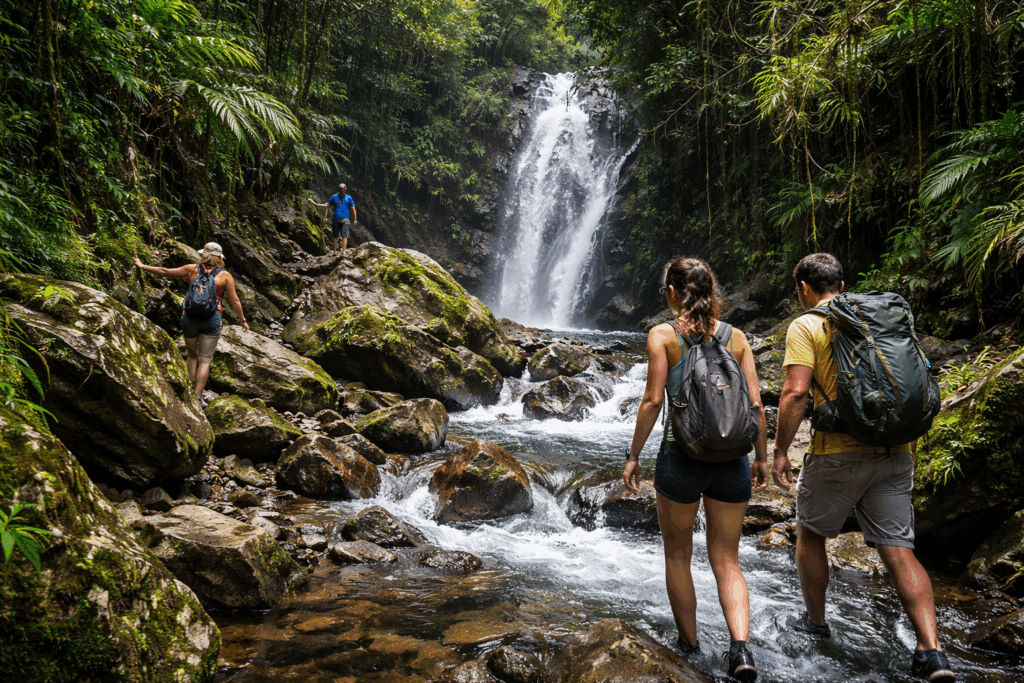
If you’ve ever stood at the edge of El Yunque just after a light rain, you know the feeling. The air smells cleaner. The forest hums. Water flows everywhere. And somewhere beyond the trees, you hear it—the rush of Juan Diego Falls calling your name. Upper Juan Diego Falls is one of those places Puerto Ricans whisper about. It’s not marked like other trails. It doesn’t come with signs or railings. And that’s exactly why it demands respect. This guide isn’t about chasing Instagram moments. It’s about understanding the land, protecting yourself, and experiencing El Yunque the way locals know it—carefully, intentionally, and with humility. If you live on the island and want to explore responsibly, this guide will walk you through how to hike safely to Upper Juan Diego Falls, what to expect, and when to turn back. Where Is Upper Juan Diego Falls Located in Puerto Rico? Upper Juan Diego Falls is located inside El Yunque National Forest, near Río Grande, on the northeastern side of Puerto Rico. Most visitors are familiar with Lower Juan Diego Falls, which sits close to the road and is easily accessible. The upper falls, however, are different. They are not part of a maintained or officially marked trail. Access usually begins near the lower falls, but the route upward requires climbing over slick rocks, navigating streambeds, and using natural footholds. This is where many people underestimate the terrain. For locals, this spot has always been about intuition and awareness. Knowing when the forest says “yes” and when it says “not today.” Why the Upper Juan Diego Falls Trail Is Considered High-Risk This hike is not dangerous because it’s long. It’s dangerous because it’s unforgiving. The rocks leading to Upper Juan Diego Falls are smooth, algae-covered, and constantly wet. Serious harm can result from a single slip. Unlike maintained trails, there are no ropes, steps, or guardrails. Weather changes fast in El Yunque. Even if the sky is clear when you arrive, rainfall upstream can dramatically increase water flow within minutes. According to the U.S. Forest Service, El Yunque receives up to 200 inches of rain annually, making it one of the wettest forests in the region This constant moisture is what makes the forest beautiful—but it’s also what makes it unpredictable. When Is the Best Time to Hike Upper Juan Diego Falls Safely? Timing is everything here. The safest window to attempt this hike is early morning, preferably during the drier months between January and April. Even then, conditions should be checked the same day. Avoid hiking: After heavy rain (even if it stopped hours earlier) Late afternoon (slippery rocks + low light) During peak tourist weekends when overcrowding increases risk If the water looks darker, faster, or louder than usual—turn back. Locals know this rule well: El Yunque decides, not you. What to Bring for a Safe Upper Juan Diego Falls Hike This hike rewards preparation and punishes shortcuts. Proper footwear is non-negotiable. Trail shoes with strong grip or water shoes designed for rock traction are essential. Flip-flops and sneakers are a common mistake—and one of the biggest causes of injury. Bring: Lightweight backpack Water and electrolytes Waterproof phone case Small first-aid kit Dry bag for essentials Leave behind: Large bags Speakers Anything you’d regret dropping into a river Being prepared isn’t about fear—it’s about respect for the terrain. Is Upper Juan Diego Falls Suitable for Beginners? This is where honesty matters. If you’re new to hiking, uncomfortable with climbing, or unsure of your balance, Upper Juan Diego Falls is not the place to start. This route demands body awareness, patience, and confidence moving on wet stone. It is also not suitable for children, large groups, or anyone with knee or ankle issues. There is no shame in choosing a safer alternative—El Yunque offers plenty. Adventure in Puerto Rico isn’t about pushing limits. It’s about coming home safely. Step-by-Step: How Locals Approach the Upper Juan Diego Falls Route There’s no official step-by-step trail map, but locals follow a mindset rather than directions. First, observe. Watch how water moves over rocks. Notice algae patches. Test footing before committing weight. Second, move slowly. This isn’t a hike—it’s controlled climbing. Three points of contact at all times. Third, know when to stop. If a section feels unsafe, it probably is. The waterfall will still be there another day. Reaching the upper pool should feel earned—not rushed. Common Mistakes That Cause Accidents at Juan Diego Falls Most accidents happen for the same reasons: Overconfidence Poor footwear Hiking after rain Following social media videos instead of reading conditions Videos rarely show the slips, the rescues, or the injuries. The forest doesn’t care how many likes something gets. Respecting El Yunque means ignoring the pressure to “prove” anything. El Yunque Rules, Responsibility, and Cultural Respect El Yunque is more than a forest—it’s sacred land. The Taíno people believed it was home to Yukiyú, the spirit protector of the island. Today, over 600,000 people visit El Yunque annually, making responsible behavior critical to preservation Stay on natural paths. Don’t carve, write, or leave trash. What you bring in, take out. This forest belongs to everyone—and to no one at the same time. Should You Hike With a Local Guide? If you’re unsure, the answer is yes. Local guides understand water behavior, weather patterns, and safe stopping points. They don’t just lead—they teach. Guided hikes also support the local economy and preserve knowledge passed down through generations, similar to how cultural gatherings and community-driven celebrations preserve heritage elsewhere on the island, much like a Traditional Puerto Rican arts festival. Safer Alternatives Near Juan Diego Falls If conditions aren’t right, consider: Lower Juan Diego Falls El Angelito Trail La Coca Falls Designated El Yunque trails when open These still offer beauty, water access, and connection—without the same level of risk. A Local Reminder Before You Go El Yunque doesn’t need conquering. It asks for listening. If you’re looking to connect deeper with Puerto Rico’s natural and cultural spaces, our
Why El Yunque Is Puerto Rico’s Green Heart of Adventure
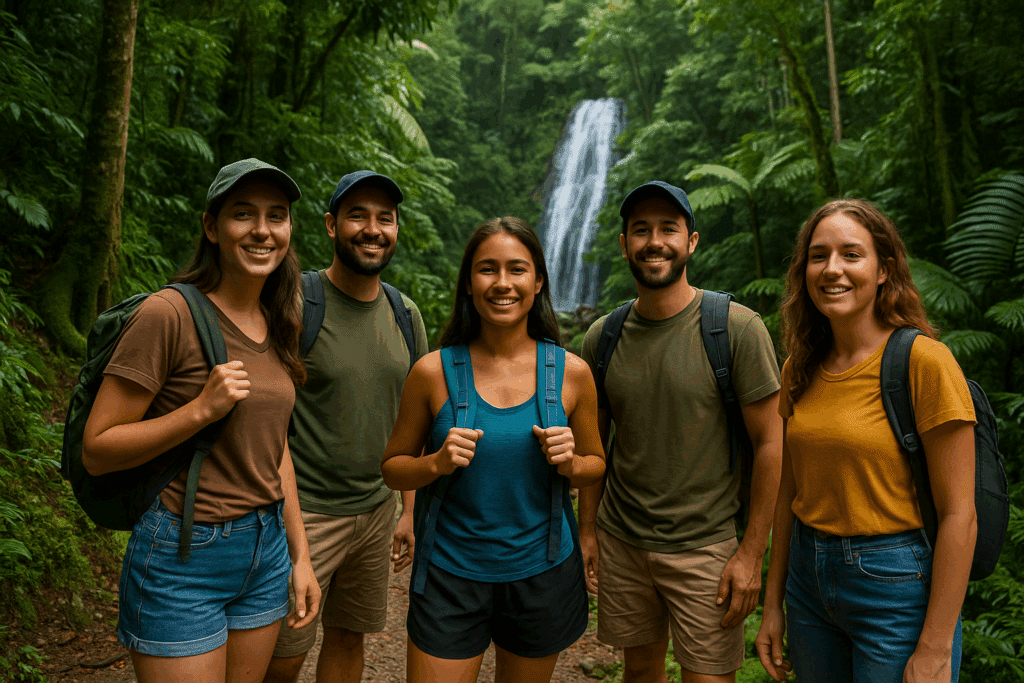
Imagine standing beneath a canopy of emerald leaves, where mist drifts through the air and the call of the coquí echoes like music from another world. Sunlight filters through the trees, painting the rainforest floor in shifting shades of gold and green. This isn’t just any forest — it’s El Yunque, the lush crown jewel of Puerto Rico and the only tropical rainforest managed by the U.S. National Forest System. Every drop of rain that falls here nourishes life — from rare orchids and ferns to vibrant birds and waterfalls that seem straight out of a dream. For locals and travelers alike, El Yunque National Forest is more than a place to hike or take photos; it’s a living, breathing connection to nature, adventure, and culture. In this guide, you’ll uncover why El Yunque truly is Puerto Rico’s green heart of adventure — a destination where thrill, tranquility, and cultural pride merge into one unforgettable experience. The Origins and Spirit of El Yunque: Where Myth Meets Nature Long before it became a protected reserve, the Taíno people considered El Yunque sacred. They called it “Yuqué,” meaning White Lands — the mystical home of Yukiyú, the god of fertility and protector against evil storms. To this day, locals see it as a spiritual refuge, a reminder that Puerto Rico’s strength and beauty lie in its connection with nature. In 1903, the forest was officially designated as a national reserve, making it one of the oldest protected forests in the Western Hemisphere. Covering nearly 28,000 acres, it remains a global model for conservation and eco-tourism. Every year, the forest receives up to 200 inches of rainfall — feeding countless rivers and waterfalls that sustain surrounding towns and ecosystems. For many Puerto Ricans, El Yunque represents resilience: a symbol that even after hurricanes or hardship, life continues to grow, green and strong. It’s not just a destination — it’s a national identity carved into the heart of the island. Biodiversity at Its Best: Meet the Life Inside El Yunque If you’ve ever wondered what makes El Yunque so unique, the answer lies in its biodiversity. Within its sprawling landscape, you’ll find more than 240 tree species, 150 fern varieties, and countless flowers bursting with color. But the forest’s true stars are its animals. The iconic coquí frog, whose song has become the unofficial soundtrack of Puerto Rico, thrives here in dozens of species — some found nowhere else in the world. Then there’s the Puerto Rican parrot (Amazona vittata), one of the rarest birds on Earth, rescued from near extinction through local conservation efforts. Other residents include lizards, boas, hummingbirds, and tree snails — all living harmoniously in this ecological masterpiece. Every rustle in the leaves reminds visitors that El Yunque is alive in every sense of the word. This richness isn’t just for show; it’s the lifeblood of Puerto Rico’s ecosystems, filtering the air and replenishing water for nearby communities. In short, the forest doesn’t just exist — it sustains. If you’re looking for a place that defines both beauty and purpose, you’ll find it here — within the living heartbeat of El Yunque. The Adventure Awaits: Best Things to Do in El Yunque Adventure seekers and nature lovers alike will find that El Yunque offers endless possibilities. Whether you crave adrenaline or peace, there’s something here for everyone. 1. Hike Through Living History El Yunque is home to dozens of scenic hiking trails, each offering a unique glimpse into the rainforest’s soul. La Mina Trail is perhaps the most famous, leading visitors to the breathtaking La Mina Falls — a picture-perfect waterfall where you can cool off after the trek. Mount Britton Trail, slightly more challenging, rewards you with panoramic views from its historic tower, where clouds drift below your feet. El Angelito Trail leads to a lagoon surrounded by ferns — perfect for swimming and picnicking in serenity. Each trail tells a story — of resilience, renewal, and respect for nature. 2. Chase the Waterfalls Few things capture the magic of El Yunque like its waterfalls. The La Coca Falls, with its towering rock formations, welcomes visitors right at the park’s entrance. Deeper inside, Juan Diego Falls offers a quieter escape surrounded by dense vegetation and natural pools. Take a moment to stand in the mist, listen to the water rush, and feel what thousands of Puerto Ricans feel every time they return — pride and peace. 3. Soar Above the Trees For the thrill-seekers, nearby adventure parks offer ziplining experiences that let you fly over the forest canopy. It’s a breathtaking way to see El Yunque from above — a perfect blend of adrenaline and awe. 4. Discover the Sounds of Nature Birdwatchers and photographers will find endless inspiration here. From coquí frogs serenading at dusk to colorful parrots in flight, every moment feels alive. For an immersive experience, join local guides who specialize in eco-tours that blend environmental education with cultural storytelling — a must for anyone seeking a complete tourist guide to Puerto Rico beyond the typical beaches. By the time you leave, you’ll understand why adventure in El Yunque is less about pushing limits — and more about rediscovering wonder. The Cultural Connection: Local Communities Around El Yunque El Yunque’s magic extends far beyond its borders. The surrounding towns of Río Grande, Luquillo, and Naguabo pulse with Puerto Rican warmth and creativity. Here, you’ll meet artisans selling handcrafted souvenirs, farmers offering fresh produce, and families sharing homemade dishes like mofongo or pastelón. These communities are the heart of the forest’s soul — living proof that eco-tourism and culture can thrive together. Visiting these areas supports local businesses while deepening your connection to Puerto Rico’s culture. Take a stroll through Luquillo’s kiosks, visit a family-run coffee plantation, or explore hidden waterfalls with a local guide. And if you’re planning your itinerary, don’t miss our Local Attractions Page — your go-to source for authentic experiences that let you explore the island’s true beauty beyond the usual tourist