Why La Campechada Is Puerto Rico’s Top Arts Event
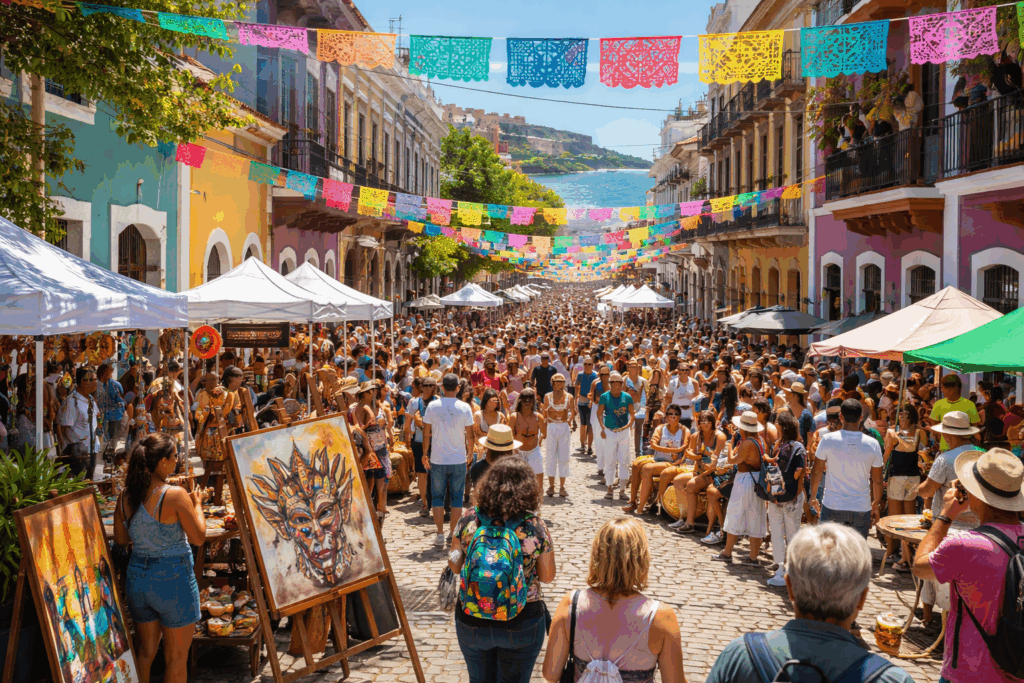
If there’s one moment when Puerto Rico truly feels like an open-air museum, it’s during La Campechada. Streets turn into galleries. Plazas become theaters. Conversations shift from daily routines to history, identity, and creativity. This isn’t an event you simply attend—it’s one you walk through, listen to, and feel. For many Puerto Ricans, La Campechada is more than a festival. It’s a reminder that art here doesn’t live behind walls. It lives in public spaces, in voices, in movement, and in shared memory. And in a world where culture is often packaged for tourists, La Campechada stands apart by staying deeply rooted in the people of the island. In this guide, we’ll explore why La Campechada has earned its place as Puerto Rico’s most important arts event—how it began, what makes it different, and why it continues to shape cultural life across the island. What Is La Campechada? A Festival Built Around Puerto Rican Identity La Campechada is Puerto Rico’s premier multidisciplinary arts festival, organized by the Instituto de Cultura Puertorriqueña (ICP). Unlike single-genre festivals, La Campechada brings together visual arts, music, theater, dance, literature, and oral traditions in one immersive experience. Each edition is designed to honor a specific Puerto Rican cultural figure—an artist, historian, or thinker whose work shaped national identity. That honoree becomes the thematic backbone of the festival, influencing exhibitions, performances, workshops, and discussions. This structure transforms La Campechada into more than entertainment. It becomes cultural education in motion, accessible to families, students, elders, and anyone willing to engage with Puerto Rico’s artistic roots. The Origins of La Campechada: Why It Was Created La Campechada was created as a response to a growing concern: Puerto Rico’s cultural heritage needed more public visibility and participation. While museums and academic spaces played an important role, they didn’t always reach everyday communities. By bringing art into the streets, La Campechada broke down barriers between artists and the public. It allowed people to encounter history not through textbooks, but through live performance, interactive installations, and shared spaces. According to data from the Instituto de Cultura Puertorriqueña, recent editions have involved hundreds of artists and cultural practitioners, reinforcing the festival’s role as one of the island’s largest collaborative cultural efforts How La Campechada Transforms Entire Cities into Cultural Stages One of La Campechada’s defining features is how it reimagines the host city. Historic districts, town squares, and everyday streets are temporarily transformed into cultural corridors. Murals appear on old walls. Performances unfold in unexpected corners. Art doesn’t interrupt daily life—it blends into it. This approach not only revitalizes public spaces but also invites residents to see their own neighborhoods differently. The festival’s rotating location model ensures that cultural investment reaches multiple regions of the island, strengthening local pride and participation wherever it lands. The Art Forms That Define La Campechada (And Why They Matter) Visual Arts in Public Spaces Paintings, sculptures, and large-scale installations appear throughout the city, often responding directly to local history or architecture. Artists use public space as both canvas and context, making the environment part of the artwork itself. Theater and Performance Arts Street theater, contemporary dance, and experimental performances bring storytelling to life. These performances often reflect social themes, historical moments, or cultural traditions that resonate deeply with local audiences. Music as Cultural Expression From Bomba and Plena to jazz and experimental fusion, music at La Campechada reflects Puerto Rico’s layered identity. Performances emphasize cultural continuity rather than commercial trends. Literature, Poetry, and Oral Traditions Poetry readings, décimas, and storytelling sessions honor Puerto Rico’s strong oral culture. These moments often become some of the festival’s most intimate and memorable experiences. Honoring Puerto Rican Cultural Icons: Why This Matters Each edition of La Campechada centers on a cultural honoree whose legacy becomes a learning thread throughout the festival. This approach does something rare—it turns celebration into reflection. Rather than focusing on celebrity, La Campechada highlights intellectual and artistic contributions that shaped Puerto Rico’s cultural consciousness. For younger generations, this becomes a living history lesson. For older attendees, it’s a moment of recognition and continuity. This is one of the reasons La Campechada is often described as a Traditional Puerto Rican arts festival at the end of this section. Community Participation: Why La Campechada Belongs to the People La Campechada is intentionally accessible. Most activities are free or low-cost, allowing families, students, and elders to participate fully. Workshops invite hands-on learning. Discussions encourage dialogue rather than passive listening. Local schools, universities, and community groups often collaborate with artists, reinforcing the idea that culture is something you build together—not something you consume. This community-centered approach is why the festival feels authentic. It doesn’t arrive as an outside production. It grows from within the community itself. Supporting Puerto Rican Artists Beyond the Festival La Campechada provides artists with visibility, professional opportunities, and meaningful engagement with audiences. Many participants use the festival as a launching point for future exhibitions, collaborations, and educational projects. According to cultural economy studies referenced by Discover Puerto Rico, creative and cultural events play a key role in sustaining local creative industries across the island By prioritizing local talent, La Campechada strengthens Puerto Rico’s creative ecosystem while reinforcing cultural self-determination. How La Campechada Compares to Other Puerto Rico Festivals While Puerto Rico is rich in festivals, La Campechada stands apart because of its depth. It’s not centered on nightlife, concerts alone, or commercial attractions. Instead, it emphasizes education, heritage, and artistic integrity. Where many festivals entertain, La Campechada invites participation and reflection. It appeals not just to spectators, but to thinkers, students, families, and cultural advocates. Planning Your Experience: How to Engage with La Campechada To fully experience La Campechada, it helps to slow down. Attend a mix of exhibitions, performances, and talks. Explore side streets. Talk to artists. Let curiosity guide you rather than schedules. This is also a perfect opportunity to explore surrounding cultural landmarks, museums, and historic districts. Many locals use the festival as a starting point to rediscover parts of the island
How to Hike Safely to the Upper Juan Diego Falls
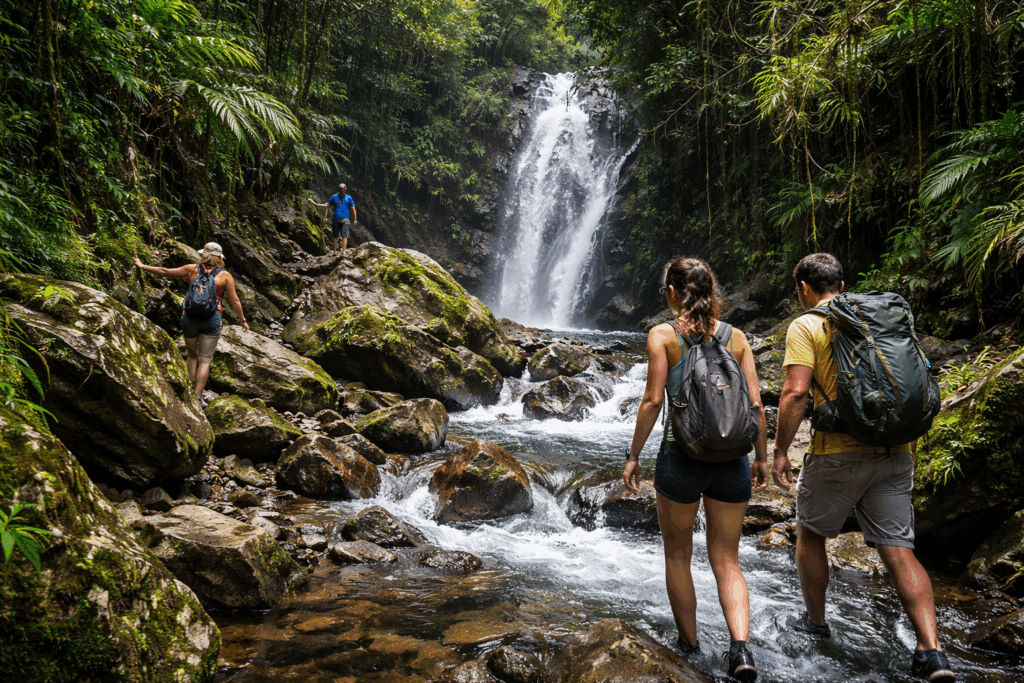
If you’ve ever stood at the edge of El Yunque just after a light rain, you know the feeling. The air smells cleaner. The forest hums. Water flows everywhere. And somewhere beyond the trees, you hear it—the rush of Juan Diego Falls calling your name. Upper Juan Diego Falls is one of those places Puerto Ricans whisper about. It’s not marked like other trails. It doesn’t come with signs or railings. And that’s exactly why it demands respect. This guide isn’t about chasing Instagram moments. It’s about understanding the land, protecting yourself, and experiencing El Yunque the way locals know it—carefully, intentionally, and with humility. If you live on the island and want to explore responsibly, this guide will walk you through how to hike safely to Upper Juan Diego Falls, what to expect, and when to turn back. Where Is Upper Juan Diego Falls Located in Puerto Rico? Upper Juan Diego Falls is located inside El Yunque National Forest, near Río Grande, on the northeastern side of Puerto Rico. Most visitors are familiar with Lower Juan Diego Falls, which sits close to the road and is easily accessible. The upper falls, however, are different. They are not part of a maintained or officially marked trail. Access usually begins near the lower falls, but the route upward requires climbing over slick rocks, navigating streambeds, and using natural footholds. This is where many people underestimate the terrain. For locals, this spot has always been about intuition and awareness. Knowing when the forest says “yes” and when it says “not today.” Why the Upper Juan Diego Falls Trail Is Considered High-Risk This hike is not dangerous because it’s long. It’s dangerous because it’s unforgiving. The rocks leading to Upper Juan Diego Falls are smooth, algae-covered, and constantly wet. Serious harm can result from a single slip. Unlike maintained trails, there are no ropes, steps, or guardrails. Weather changes fast in El Yunque. Even if the sky is clear when you arrive, rainfall upstream can dramatically increase water flow within minutes. According to the U.S. Forest Service, El Yunque receives up to 200 inches of rain annually, making it one of the wettest forests in the region This constant moisture is what makes the forest beautiful—but it’s also what makes it unpredictable. When Is the Best Time to Hike Upper Juan Diego Falls Safely? Timing is everything here. The safest window to attempt this hike is early morning, preferably during the drier months between January and April. Even then, conditions should be checked the same day. Avoid hiking: After heavy rain (even if it stopped hours earlier) Late afternoon (slippery rocks + low light) During peak tourist weekends when overcrowding increases risk If the water looks darker, faster, or louder than usual—turn back. Locals know this rule well: El Yunque decides, not you. What to Bring for a Safe Upper Juan Diego Falls Hike This hike rewards preparation and punishes shortcuts. Proper footwear is non-negotiable. Trail shoes with strong grip or water shoes designed for rock traction are essential. Flip-flops and sneakers are a common mistake—and one of the biggest causes of injury. Bring: Lightweight backpack Water and electrolytes Waterproof phone case Small first-aid kit Dry bag for essentials Leave behind: Large bags Speakers Anything you’d regret dropping into a river Being prepared isn’t about fear—it’s about respect for the terrain. Is Upper Juan Diego Falls Suitable for Beginners? This is where honesty matters. If you’re new to hiking, uncomfortable with climbing, or unsure of your balance, Upper Juan Diego Falls is not the place to start. This route demands body awareness, patience, and confidence moving on wet stone. It is also not suitable for children, large groups, or anyone with knee or ankle issues. There is no shame in choosing a safer alternative—El Yunque offers plenty. Adventure in Puerto Rico isn’t about pushing limits. It’s about coming home safely. Step-by-Step: How Locals Approach the Upper Juan Diego Falls Route There’s no official step-by-step trail map, but locals follow a mindset rather than directions. First, observe. Watch how water moves over rocks. Notice algae patches. Test footing before committing weight. Second, move slowly. This isn’t a hike—it’s controlled climbing. Three points of contact at all times. Third, know when to stop. If a section feels unsafe, it probably is. The waterfall will still be there another day. Reaching the upper pool should feel earned—not rushed. Common Mistakes That Cause Accidents at Juan Diego Falls Most accidents happen for the same reasons: Overconfidence Poor footwear Hiking after rain Following social media videos instead of reading conditions Videos rarely show the slips, the rescues, or the injuries. The forest doesn’t care how many likes something gets. Respecting El Yunque means ignoring the pressure to “prove” anything. El Yunque Rules, Responsibility, and Cultural Respect El Yunque is more than a forest—it’s sacred land. The Taíno people believed it was home to Yukiyú, the spirit protector of the island. Today, over 600,000 people visit El Yunque annually, making responsible behavior critical to preservation Stay on natural paths. Don’t carve, write, or leave trash. What you bring in, take out. This forest belongs to everyone—and to no one at the same time. Should You Hike With a Local Guide? If you’re unsure, the answer is yes. Local guides understand water behavior, weather patterns, and safe stopping points. They don’t just lead—they teach. Guided hikes also support the local economy and preserve knowledge passed down through generations, similar to how cultural gatherings and community-driven celebrations preserve heritage elsewhere on the island, much like a Traditional Puerto Rican arts festival. Safer Alternatives Near Juan Diego Falls If conditions aren’t right, consider: Lower Juan Diego Falls El Angelito Trail La Coca Falls Designated El Yunque trails when open These still offer beauty, water access, and connection—without the same level of risk. A Local Reminder Before You Go El Yunque doesn’t need conquering. It asks for listening. If you’re looking to connect deeper with Puerto Rico’s natural and cultural spaces, our